Connection before crisis
Make belonging, inclusion, and meaningful human connection part of communities before someone reaches crisis.
 The Aaron Rogers
 Foundation
Our working mission is to reduce isolation, strengthen human connection, improve access to mental-health care, and advocate for a system where young people, especially ages 15–25, are supported through a fragmented care journey.
The strategic framework below shares our intended direction and proposals in development. It is not a promise that every program is active or funded.


Aaron’s story
Aaron was our oldest child. He was kind, empathetic, and deeply caring. He struggled with serious mental illness, and our family tried to help him find care and stay safe. Aaron talked about going to college so he could make a difference and help others feel less alone in the way he had felt.
Before Aaron was booked into jail, I wrote to the jail to warn that he was severely mentally ill, needed his psychiatric medication, and needed suicide precautions. While in custody, he made a suicide attempt that caused a devastating traumatic brain injury and serious physical injuries. He survived, but the injury changed his life. He lived with dementia and could no longer live independently.
Aaron remained afraid of returning to jail. About seven months after the attempt in custody, at age 20, Aaron died by suicide. His death followed a complex and painful struggle with mental illness; no one event alone explains a suicide. We share these parts of his story because mental illness does not stop at the door of a hospital, school, or jail, and warnings of danger must be met with thoughtful care, continuity, and safety.
Aaron didn’t get the chance to go to college and do the work he hoped to do. We are working toward bringing together mental-health professionals and community partners to help educate, improve continuity of care, and support people who need help.
Read Alexa’s reflection about Aaron ↗Preserving his words and art ↗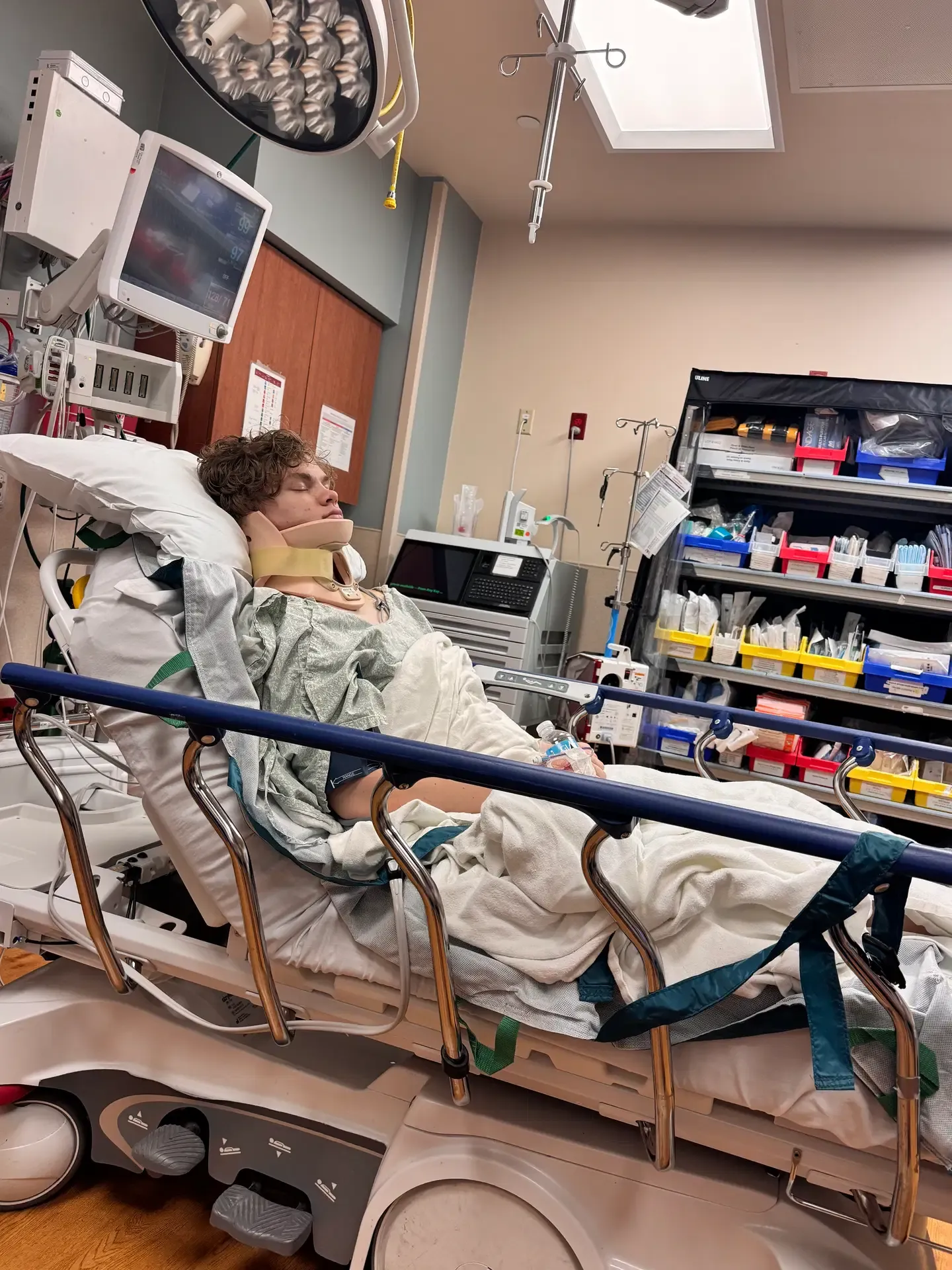
A family memory
We share this difficult image because it is part of our family’s experience, and because we want people to understand how a brain injury changed Aaron’s life. We also remember him as a son, brother, and young man with hopes for college and a deep wish to help others.
Mission & principles
The Aaron Rogers Foundation exists to reduce isolation, strengthen human connection, improve access to mental-health care, and advocate for a system in which young people ages 15–25 are supported through a fragmented mental-health journey. Through the #BeTheOne Project, we aim to create connection before crisis, support without taking over, improve continuity of care, educate communities, and advance reforms that make it harder for people to fall through the cracks.
This is a working mission statement from the Foundation’s strategic framework and is subject to governance and professional review.
Make belonging, inclusion, and meaningful human connection part of communities before someone reaches crisis.
Respect a young person’s voice and autonomy while making support easier to reach.
Work toward a coordinated experience even when care crosses providers and settings.
Aim for a clear path to care no matter where someone first asks for help.
A referral should help a person connect to the next step, not leave them to navigate alone.
Promote compassionate, humane, recovery-oriented care and practical pathways to support.
Goals & program concepts
These are proposed concepts in the master project framework, not a list of active Foundation services.
Explore a consistent navigator for high-risk young people moving between providers, hospitals, schools, and community settings.
Test transition support so the next connection is identified, scheduled where feasible, and followed through.
Explore walk-in, non-emergency options that connect people with assessment and appropriate follow-up.
Develop a consent-led approach that can respect young adults’ autonomy while defining how trusted supporters may help.
Explore practical education, trusted-adult pathways, community connection, and warm referrals for young people.
Develop family-centered grief resources, sibling support concepts, and ways to keep showing up after a loss.
Reform & pilot concepts
The framework proposes testing practical ideas with willing partners before seeking wider adoption. Potential settings include clinics, hospitals, schools, colleges, communities, and, where appropriate, justice settings.
Possible pilots include continuity navigation, hospital warm handoffs, school connection programs, community groups, and support models for young adults and trusted supporters. Any pilot would need qualified partners, careful safeguards, evaluation, and appropriate approvals.
System-reform and policy concepts are early proposals, not finalized legislation, clinical protocols, or legal advice. They require review with legal, clinical, policy, and lived-experience partners.
Foundation & project status
The framework is intended to organize the Foundation’s direction and guide project, pilot, partnership, and policy development. The concepts are proposals and should be refined with qualified partners before implementation. The Foundation’s legal and charitable status is still being established; we’ll share verified registration and any 501(c)(3) determination after confirmation. Purchases and family fundraising should not be described as tax-deductible charity donations unless that status and handling are confirmed.
Support the Rogers family on GoFundMe